Ayahuasca Healing Ceremonies
Exploring the ayahuasca healing ceremonies of the amazon reveals an ancient tradition deeply rooted in indigenous cultures, harnessing the therapeutic potential of this profound psychoactive brew. These sacred ceremonies combine symbolic rituals, mystical preparation methods, and transformative healing experiences that have guided spiritual seekers for centuries. This comprehensive guide examines the components of ayahuasca, the role of shamans, scientific research on mental health benefits, and the cultural significance that makes these ceremonies a cornerstone of Amazonian spirituality.
In This Guide
- Ayahuasca Healing Ceremonies
- Understanding Ayahuasca
- Components of Ayahuasca
- The Ayahuasca Healing Ceremony Explained
- The Therapeutic Potential of Ayahuasca
- Scientific Research on Ayahuasca
- Cultural Significance of Ayahuasca Ceremonies
- Controversies and Criticisms of Ayahuasca Use
- The Ayahuasca Experience: Personal Accounts
- Ayahuasca Tourism in the Amazon
- Looking to the Future: Ayahuasca and Modern Medicine
- Frequently Asked Questions
Last Updated: February 2026
Understanding Ayahuasca
Definition and Origin of Ayahuasca
Ayahuasca is a psychedelic brew that has been used for centuries as a spiritual medicine in ceremonies among the indigenous tribes of the Amazon. The term “Ayahuasca” is a combination of two Quechua words: “aya” meaning “soul” or “spirits” and “huasca” meaning “rope” or “vine”. Therefore, Ayahuasca is often referred to as the “vine of the soul” or “spirit vine”. It originates from the indigenous tribes of the Amazon rainforest, including Peru, Ecuador, Colombia, Brazil, and Bolivia.
Importance of Ayahuasca to Amazonian Tribes
To the indigenous Amazonian tribes, Ayahuasca isn’t just a traditional brew, but a central component of their culture, spirituality, and medicinal practices. It has been and continues to be used as a tool for divination, healing, and connecting to the spiritual world. Tribal elders and shamans administer the Ayahuasca brew during elaborate ceremonies to guide individuals through transformative spiritual experiences often characterized by visions and intense emotional revelations.
Components of Ayahuasca
The Ayahuasca Vine – Banisteriopsis Caapi
The key ingredient of Ayahuasca is the Banisteriopsis caapi vine. This jungle vine is boiled, usually with other plants, to produce the ceremonial drink. The vine itself contains harmine, harmaline, and tetrahydroharmine, powerful alkaloids that have psychoactive properties.
Chacruna Leaves – Psychotria Viridis
The Ayahuasca brew also typically includes the leaves of the Chacruna plant, also known as Psychotria Viridis. These leaves contain N, N-Dimethyltryptamine (DMT), a powerful hallucinogenic substance that triggers the intense visions often associated with Ayahuasca ceremonies.
Chemical Compounds: DMT and MAO Inhibitors
DMT, naturally produced in many plants and animals including the human body, is the psychotropic compound that allows for the ‘visionary’ part of the Ayahuasca experience. However, the human body naturally contains enzymes called monoamine oxidases (MAOs) which break down DMT before it can have any effect. This is where the chemistry of the Ayahuasca vine comes into play. The harmine and harmaline present in the Ayahuasca vine function as MAO inhibitors (MAOIs) blocking the action of these enzymes and allowing the DMT to cross the blood-brain barrier, thus giving the intense mind-altering experience.
The Ayahuasca Healing Ceremony Explained
Preparation for the Ceremony
Preparing for an Ayahuasca ceremony involves both physical and mental readiness. Physically, it often requires adhering to a specific diet and abstaining from certain substances. Mentally, it requires setting clear intentions for the journey. The most important aspect is to approach the experience with an open mind and willingness to accept whatever may come.
The Role of the Shaman
The Shaman plays a vital role in the Ayahuasca ceremony. As a guide and mediator between the physical and the spiritual world, the Shaman administers the Ayahuasca brew and uses traditional songs known as Icaros to guide the participant through their experience. Their extensive knowledge and understanding of the Ayahuasca brew and the spirit world are vital for a safe and meaningful ceremony.
Conducting the Ceremony: Setting and Rituals
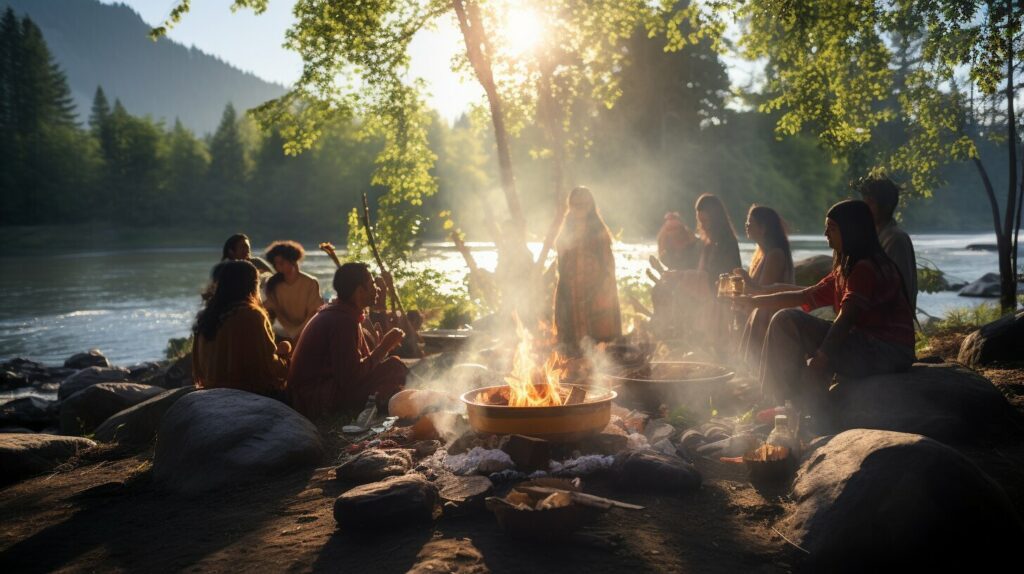
The Ayahuasca ceremony usually takes place at night and can last until morning. The ritual begins with prayers and the drinking of the brew. Then, in the silence of the darkened room, the Shaman sings Icaros to call the spirits. The songs, combined with the brew, guide the participant into a deep journey of self-exploration and healing.
The Therapeutic Potential of Ayahuasca
Effects on Physical Health
Though Ayahuasca is best known for its psychological effects, some research has indicated potential physical benefits as well. These include improved immune function, neurogenesis (the growth of new brain cells), and regulation of brain functions.
Mental and Emotional Healing
The psychedelic journey that Ayahuasca provides often leads to profound and lasting psychological and emotional healing. It often brings the traumas and issues that one needs to confront to the surface, allowing for introspection and resolution. Many report transformative insights about themselves and their life, leading to a more profound understanding of their existence.
Addiction Treatment and Recovery
There’s growing interest in the potential for Ayahuasca to treat addiction. Some preliminary the spiritual and psychological experiences triggered by Ayahuasca can help people overcome substance abuse disorders by enabling them to confront their past traumas and break unhealthy behavior patterns, according to the National Center for Complementary and Integrative Health.
Scientific Research on Ayahuasca
Exploring the Neurological Effects
Though research is still in its infancy, several Ayahuasca could have profound effects on brain structure and function. It’s thought to trigger neurogenesis and boost connectivity between different areas of the brain, potentially leading to enhanced cognitive function and mood regulation.
Studies on Mental Health Improvement
Preliminary research suggests Ayahuasca may provide therapeutic benefits for mental health issues like depression, anxiety, and post-traumatic stress disorder (PTSD). Participants often report long-term improvements, with many describing a heightened sense of self and improved emotional wellbeing.
Research on Addiction Treatment
Emerging research has indicated potential for the use of Ayahuasca to help in the treatment of addiction. Ayahuasca can help overcome addiction by enabling introspection and a greater understanding of the self, thus allowing individuals to address the root causes of their addictive behaviour (see National Center for Complementary and Integrative Health)
Cultural Significance of Ayahuasca Ceremonies
Link to Amazon Indigenous Religion and Spirituality
Ayahuasca isn’t merely a plant medicine to Amazon indigenous tribes. It’s deeply embedded in their spiritual and religious practices, providing a mystical bridge to the spiritual world and a tool for community bonding and cultural survival.
Symbolism and Ritual Practices
The Ayahuasca ceremony is steeped in rich symbolism and rituals, from the preparation of the brew to the traditional songs sung during the ceremony. Every aspect has a purpose and aids in the spiritual journey, reinforcing the profound respect the Amazon tribes hold for the spirit vine.
Role in Community Cohesion and Identity
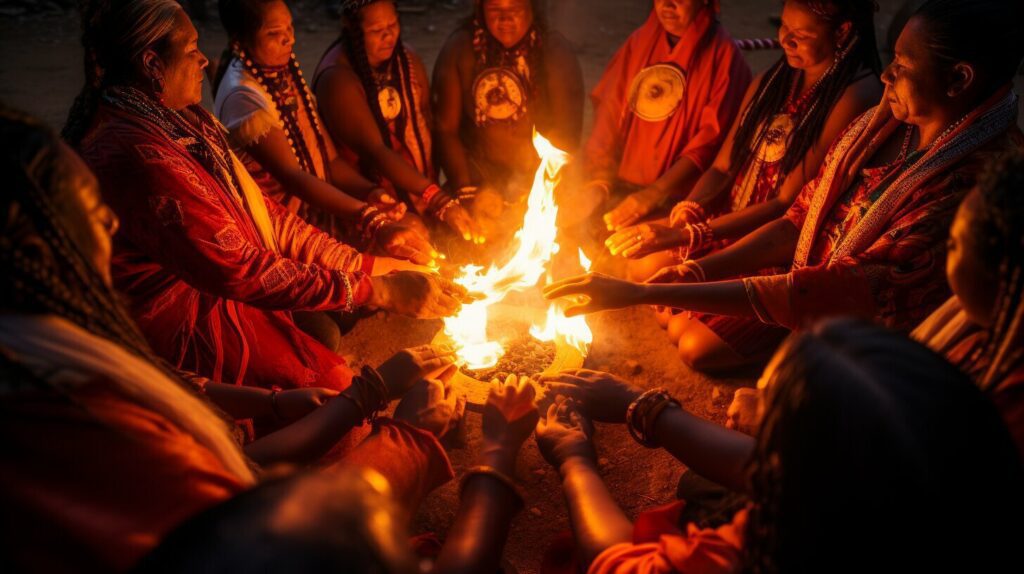
The communal way Ayahuasca ceremonies are traditionally conducted helps to foster a sense of community and shared identity. Through these rituals, individuals are brought together and united, thus forming a collective consciousness and a shared cultural heritage.
Controversies and Criticisms of Ayahuasca Use
Potential Dangers and Side Effects
While Ayahuasca can have powerful therapeutic effects, it’s not without its risks. Due to its psychoactive properties, it can trigger intense emotional and psychological reactions, which can be distressing or even harmful for some individuals, especially without proper preparation and guidance, as the Mayo Clinic has noted.
Issues of Cultural Appropriation
As Ayahuasca use spreads beyond its indigenous roots, debates about cultural appropriation have arisen. Critics argue that the commercialization and commodification of Ayahuasca by outsiders can result in the exploitation and disrespect of indigenous cultures and knowledge.
Legalities and Illicit Trade
Ayahuasca falls into a complicated legal grey area. In some countries like Peru and Brazil, it’s legal as part of traditional ceremonies. However, in many parts of the world, including the US and most of Europe, DMT is a controlled substance, making Ayahuasca illegal. This legal ambiguity has opened doors for illicit trade and misuse.
The Ayahuasca Experience: Personal Accounts
First Hand Experiences
Personal experiences with Ayahuasca can vary greatly, but many individuals often describe feeling a profound connection to nature and the universe. The intensity of this experience can result in life-changing insights and a radical shift in one’s perception of reality.
Impact on Individual’s Life and Perception
For many, an Ayahuasca journey can be a catalyst for significant change in their life direction, priorities, and perception of themselves and the world. This transformation often involves a deep sense of understanding, peace, self-love, and an increased connection to others and the world around them.
Common Themes and Insights
Despite the individual nature of the Ayahuasca experience, many common themes and insights emerge, such as a profound sense of interconnectedness, the transience of life, and the illusory nature of our fears. These experiences often steer a journey towards healing and personal growth.
Ayahuasca Tourism in the Amazon
Rise of Ayahuasca Retreats
With growing international interest in Ayahuasca, tourism centered around Ayahuasca retreats in the Amazon has seen a significant boom. These retreats provide controlled environments where individuals, usually from Western countries, can partake in traditional Ayahuasca ceremonies overseen by indigenous or locally trained shamans.
Impacts on Local Communities
Ayahuasca tourism has had both positive and negative impacts on local communities. On the positive side, it’s brought economic benefits and global attention to indigenous cultures and traditions. However, on the negative side, it’s raised concerns about cultural exploitation and environmental degradation.
Ethical Considerations
There are numerous ethical and sustainability concerns surrounding Ayahuasca tourism. These range from exploitation of indigenous communities, to the potential for overharvesting of the plants, to concerns about the safety and integrity of the Ayahuasca ceremonies conducted for non-indigenous participants.
Looking to the Future: Ayahuasca and Modern Medicine
Potential Role in Psychotherapy
Given its profoundly transformative effects, researchers and therapists are exploring Ayahuasca’s potential as a tool in psychotherapy. Early studies suggest its potential to facilitate deep emotional healing, making it a powerful adjunct to psychotherapeutic techniques.
Challenges and Considerations for Integration
Despite the potential therapeutic benefits, integrating Ayahuasca into mainstream medicine presents various challenges. These include navigating the current legal status of Ayahuasca, addressing the potential medical risks, and establishing safe and ethical guidelines for its use.
Ongoing Research and Clinical Trials
Interest in Ayahuasca’s therapeutic potential is growing, and research is underway to better understand its neurobiological mechanisms and potential applications. Ongoing clinical trials are examining its potential in treating mental health disorders such as depression, anxiety, and PTSD. While it’s still early days, the future of Ayahuasca in modern medicine is promising.
Ayahuasca Healing Ceremonies
For those interested in exploring Ayahuasca healing ceremonies, here are three comprehensive resources that offer a range of insights and opportunities for participation:
- Ayahuasca Foundation: The Ayahuasca Foundation provides in-depth Ayahuasca healing retreats and courses in the Amazon Rainforest. Their offerings include healing retreats, Ayahuasca courses, and a wealth of information on the preparation and integration processes involved in Ayahuasca ceremonies. The foundation emphasizes traditional healing practices and offers resources for scientific research on Ayahuasca’s benefits. More details are available at their official website: www.ayahuascafoundation.org (Ayahuasca Foundation).
- OME Retreats: OME Retreats focuses on Ayahuasca healing ceremonies within the USA, paying homage to the Peruvian Shipibo tribe’s shamanic traditions. They offer a compassionate and safe space for self-awakening and exploration, aiming to help participants face their shadows and emerge with deeper understanding and insight. Their retreats respect Amazonian and Andean traditions, offering a path to healing and self-discovery. Information about their retreats, including locations and testimonials, can be found on their website: www.omeretreats.org (OME Retreats).
- Temple of the Way of Light: Located in the Peruvian Amazon, the Temple of the Way of Light works with respected Shipibo healers to offer Ayahuasca healing retreats. They’re deeply committed to providing profound healing experiences in a safe, compassionate, and supportive setting. The temple honors ancient Shipibo healing practices and integrates these with deep shadow work and soul integration for comprehensive shamanic healing. Learn more about their approach and retreats at: www.templeofthewayoflight.org (Temple of the Way of Light).
Each of these resources offers a unique approach to Ayahuasca healing ceremonies, ranging from traditional Amazonian practices to adaptations within the United States, all with a strong focus on safety, healing, and spiritual growth.
Frequently Asked Questions
What is The Ayahuasca Healing?
The Ayahuasca Healing involves using plant-based preparations to support health and wellness. Herbal remedies have been used across cultures for centuries. Always consult a healthcare professional before using herbal products, especially alongside medications.
Are herbal remedies effective?
Many herbal remedies have a long history of traditional use, and some have scientific studies supporting their benefits. However, effectiveness varies by herb and individual. Always consult a healthcare professional before using herbal remedies, as they can interact with medications.
Are there side effects of herbal remedies?
Some herbs can cause side effects or interact with prescription medications. Common concerns include allergic reactions, digestive upset, or drug interactions. Always inform your healthcare provider about any herbal supplements you are taking.
How can I get started with The Ayahuasca Healing?
traditional medicine overview translates these principles into daily habits you can start today.
Start by researching qualified practitioners in your area or reputable online resources. Many people begin with introductory sessions or workshops. Approach with an open mind and set realistic expectations for your wellbeing practice.
Can The Ayahuasca Healing be combined with conventional medicine?
Many people use The Ayahuasca Healing alongside conventional medical treatments as a complementary approach. Always inform your healthcare provider about any complementary practices you use. Never discontinue prescribed treatments without medical guidance.
For clinical perspectives, see related information from Mayo Clinic.