
Benefits of aromatherapy vape include direct inhalation of essential oils through specialized vaporizers, offering immediate relaxation, stress relief, and mood enhancement. This innovative practice delivers aromatic molecules directly to your respiratory system, providing a personalized aromatherapy experience. However, understanding both the therapeutic potential and critical safety considerations is essential before incorporating vaping into your wellness routine.
Last Updated: February 2026
For context on how this relates to other approaches, guide to therapeutic healing techniques
Table of Contents
However, it’s important to note that there are potential risks and concerns associated with vaping essential oils. Experts have yet to determine the long-term effects of this practice, and it could potentially harm your respiratory system. Inhaling any substance into your lungs can have negative consequences, such as lung infections, asthma, chronic bronchitis, and other serious respiratory conditions.
Key Takeaways:
- Aromatherapy vape allows you to inhale the aromatic and potential therapeutic properties of essential oils.
- There are potential risks and concerns associated with vaping essential oils, as it can harm your respiratory system.
- Inhaling any substance into your lungs can lead to lung infections, asthma, chronic bronchitis, and other serious respiratory problems.
- Consult with a healthcare professional and stay informed about the latest research and guidelines before considering vaping essential oils.
- Limit your aromatherapy practices to traditional methods, such as home diffusers, until more is known about the safety of vaping essential oils.
Understanding Aromatherapy Vape
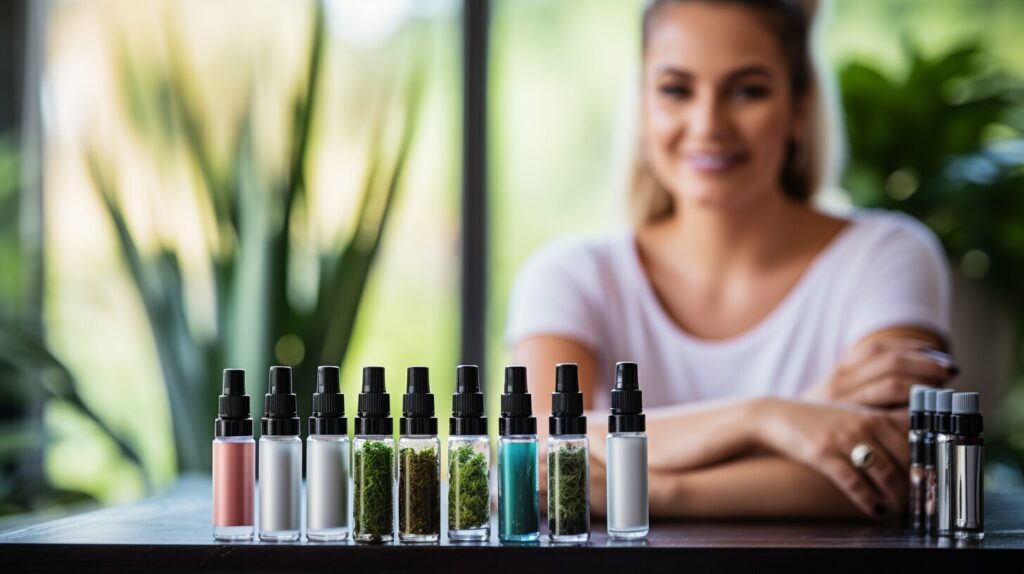
Aromatherapy is a holistic approach to well-being that uses botanical essential oils to promote relaxation and stimulate the senses. Traditionally, essential oils are diffused in the air or applied topically. However, the practice of vaping essential oils has emerged, where the oils are heated in specialized devices, such as vaporizers or vape pens, and inhaled into the lungs. Vaping essential oils aims to deliver the aromatic and potential therapeutic properties of the oils directly to the respiratory system.
Vaping essential oils offers a convenient and immediate way to experience the benefits of aromatherapy. By inhaling the vaporized oils, you can enjoy their fragrant scents and potentially reap their therapeutic effects. This method bypasses the need for diffusion or topical application, allowing for a more direct and efficient delivery of the oils.
When choosing an essential oil vape, it’s important to consider the quality of the device. Look for a reliable herbal vaporizer or aromatherapy diffuser that is specifically designed for essential oil use. These devices typically have adjustable temperature settings to ensure proper vaporization of the oils without causing any burning or harshness. Many practitioners recommend aromatherapy vape for optimal results.
On top of that,it is key to use high-quality, pure essential oils that are specifically labeled for vaping. Not all essential oils are safe to inhale, as some may contain additives or impurities that can be harmful when vaporized. Look for oils that are certified organic and undergo third-party testing to ensure their purity and quality. Taking these precautions will help ensure a safe and enjoyable aromatherapy vaping experience.

Vaping essential oils offers a convenient and immediate way to experience the benefits of aromatherapy. Understanding aromatherapy vape can enhance your healing process.
Section 3: Risks and Side Effects of Vaping Essential Oils
Vaping essential oils there are potential risks and concerns that need to be considered, particularly regardingrespiratory health and the potential for lung damage. Inhaling concentrated essential oil vapors directly into the lungs can lead to irritation, inflammation, and possible long-term respiratory issues. This is especially true for individuals who already have pre-existing respiratory conditions like asthma or allergies. The lack of regulation and standardized manufacturing processes for essential oil vaping products add to the uncertainty surrounding their safety.
Risks Associated with Vaping Essential Oils
Vaping essential oils introduces potential risks to respiratory health due to the way the oils are heated at high temperatures. When heated, essential oils can break down into harmful compounds that may cause severe side effects when inhaled. It’s important to note that experts have not yet determined the long-term effects of vaping essential oils, and there’s limited research available on the subject. The lack of information makes it difficult to fully understand the potential dangers and health risks associated with this practice.
“Inhaling concentrated essential oil vapors directly into the lungs can lead to irritation, inflammation, and possible long-term respiratory issues.”
Concerns for Individuals with Pre-existing Respiratory Conditions
Individuals with pre-existing respiratory conditions, such as asthma or allergies, may be especially vulnerable to the effects of vaping essential oils. The concentrated nature of the oils, coupled with the potential for irritants and inflammation, can exacerbate existing respiratory issues and lead to further complications. It is major for individuals with these conditions to exercise caution and consult with a healthcare professional before considering any form of essential oil vaping.
Ensuring Safety and Minimizing Risk
Given the potential risks involved, it is advisable to approach aromatherapy with caution and prioritize the safety of your respiratory health. Until more research is available and greater regulation is established, it’s safest to limit your aromatherapy practices to traditional methods, such as using home diffusers. Home diffusers disperse essential oils into the air, minimizing direct exposure to the lungs, thus reducing the risk of respiratory irritation and inflammation associated with vaping essential oils. By opting for a safer approach, you can continue to enjoy the benefits of aromatherapy while prioritizing your well-being.

Why Do People Vape Essential Oils?
As forfinding relaxation, stress relief, and mood enhancement, many individuals turn to the practice of aromatherapy. The soothing scents of essential oils have long been used to promote a sense of calm and well-being. While traditional methods of diffusion and topical application are widely known, the option to vape essential oils has gained popularity in recent years.
Vaping essential oils offers a unique and immediate way to experience the benefits of aromatherapy. By inhaling the aromatic molecules directly into the lungs, individuals can immerse themselves in the soothing scents and potential therapeutic properties of different oils. Whether it’s the floral notes of lavender for relaxation or the uplifting scent of citrus for mood enhancement, vaping allows for a personalized and tailored experience. (via National Center for Complementary and Integrative Health) Research supports the effectiveness of aromatherapy vape.
“Vaping essential oils offers a direct and immediate way to inhale these fragrant molecules, allowing individuals to immerse themselves in the soothing scents of different oils.”
To add to this,the variety of essential oils available makes it easier for individuals to find the ones that resonate with their personal preferences and needs. Each oil has its own unique set of properties and potential benefits, allowing users to customize their vaping experience based on what they’re looking to achieve.
| Essential Oil | Relaxation | Stress Relief | Mood Enhancement |
|---|---|---|---|
| Lavender | ✓ | ✓ | ✓ |
| Peppermint | ✓ | ✓ | |
| Citrus | ✓ |
However, it’s important to approach the practice of vaping essential oils with caution. The lack of long-term research and regulation in the industry raises concerns about the safety and potential risks involved. It is advisable to consult with a healthcare professional and stay informed about the latest guidelines and recommendations before considering the use of essential oil vaping devices.

Safety Concerns and Considerations
Vaping essential oils there are severalsafety concerns and considerations that you should be aware of. The lack of research on this practice and the absence of regulations in the industry make it key to proceed with caution.
Vaping essential oils involves inhaling concentrated vapors directly into your lungs. While essential oils may have beneficial properties when used in aromatherapy, their concentrated nature can pose potential risks when inhaled. The lack of research on the dangers of vaping essential oils means that we currently have limited knowledge about the potential long-term effects and safety of this practice. The National Center for Complementary and Integrative Health provides supporting evidence. Starting a aromatherapy vape practice is straightforward, and the rewards compound quickly.
Table 1: Potential Dangers of Vaping Essential Oils
| Risks | Possible Side Effects |
|---|---|
| Irritation and Inflammation | Respiratory issues, coughing, throat irritation |
| Unknown Chemical Compounds | Potential harmful substances from breakdown at high temperatures |
| Pre-existing Conditions | Increased vulnerability for people with asthma or allergies |
| Lack of Regulation | Uncertainty regarding product safety and quality control |
Considering these potential dangers, it’s advisable to exercise caution Vaping essential oils. It’s recommended to limit your aromatherapy practice to traditional methods such as using home diffusers that disperse the oils into the air without delivering them directly to your lungs.
“While essential oils may offer some health benefits, their purity and quality are not regulated by the FDA. It is important to consult with a healthcare professional before using essential oils and to research the quality of the brand’s products.” What gives aromatherapy vape its breadth is a set of principles common to many healing paths.
the safety of vaping essential oils is a subject of ongoing debate and concern. The lack of research and regulations in the industry raises potential risks and uncertainties. It’s essential to prioritize your respiratory health and consider alternative methods of aromatherapy, such as using home diffusers. Consulting with a healthcare professional and staying informed about the latest research and guidelines is notable for making informed decisions regarding the use of essential oils.
Section 6: Vaping Essential Oils vs. Nicotine Vaping
In the field ofvaping, there are two main categories: essential oils and nicotine. While vaping essential oils may seem like a healthier alternative to nicotine vaping, experts agree that vaping in general is not safe. Even without nicotine, e-cigarettes and vape pens can contain other harmful substances such as flavoring chemicals linked to lung disease and toxic heavy metals. There’s limited evidence that vaping is an effective tool for helping smokers quit, and these devices are not approved by the FDA as smoking cessation aids. Vaping any substance into the lungs comes with potential health risks.
Vaping essential oils the risks are further amplified. While essential oils are natural extracts, they are highly concentrated and can pose potential risks when inhaled directly into the lungs. The lack of research on the dangers of vaping essential oils and the lack of regulation and standardized manufacturing processes for these products warrant caution. It is always better to err on the side of caution and prioritize your respiratory health. Exploring aromatherapy vape opens new pathways to health.
“The safety of vaping essential oils is a subject of debate and concern within medical and scientific communities.”
Instead of relying on vaping, a safer approach to enjoying the benefits of essential oils is through traditional methods such as home diffusers. Home diffusers disperse essential oils into the air, allowing you to inhale them without direct contact with your respiratory system. This method avoids exposing your lungs to the potential dangers associated with vaping.
Ultimately, it’s meaningful to prioritize your health and safety when making choices about vaping. While the allure of aromatherapy through vaping may be tempting, the potential risks and lack of research should give you pause. Consult with a healthcare professional and stay informed about the latest research and guidelines before considering vaping essential oils. Until more is known about the safety of vaping essential oils, it is safer to stick to alternative methods of enjoying the benefits of aromatherapy.

| Comparison | Essential Oils Vaping | Nicotine Vaping |
|---|---|---|
| Health Risks | Potential respiratory issues, lack of research | Potential lung damage, addiction to nicotine |
| Regulation | Lack of regulation and standardized manufacturing processes | Slightly more regulated, but concerns about quality and safety |
| Benefits | Possible aromatherapy benefits, customization of scents | Possible smoking cessation aid, customizable nicotine levels |
Choosing the Right Approach to Aromatherapy
Aromatherapy is essential to prioritize safety and make informed choices. With the growing popularity of vaping essential oils, it’s major to understand the potential risks and benefits associated with this practice. This section will explore the importance of essential oil quality, the use of home diffusers, and the necessity of conducting patch tests before using new oils.
Ensuring Essential Oil Quality
One of the key considerations when using essential oils is their quality. Due to the lack of regulation in the industry, it’s important to research and choose reputable brands that prioritize purity and quality. Look for companies that provide transparent information about their sourcing, extraction methods, and third-party testing. This ensures that you’re using oils that are free from synthetic additives or contaminants.
Opting for Home Diffusers
Home diffusers offer a safe and effective way to enjoy the benefits of aromatherapy without the potential risks associated with vaping essential oils. These devices disperse essential oil molecules into the air, allowing them to be inhaled and experienced through scent. Home diffusers provide a gentle and gradual release of the oils, ensuring a consistent and controlled diffusion that can promote relaxation and create a calming atmosphere.
Conducting Patch Tests
Before using a new essential oil, it is advisable to conduct a patch test to check for any potential allergic reactions. Dilute a small amount of the oil in a carrier oil, such as jojoba or almond oil, and apply it to a small area of skin, preferably on the inner forearm. Monitor the area for 24 hours for any signs of irritation or sensitivity. This simple test helps identify any adverse reactions and allows you to use essential oils safely without risking a severe allergic response.
By prioritizing the quality of essential oils, opting for home diffusers, and conducting patch tests, you can ensure a safe and enjoyable aromatherapy experience. Remember to consult with a healthcare professional before using essential oils, especially if you’ve any underlying health conditions or concerns. Stay informed about the latest research and guidelines to make informed decisions regarding your aromatherapy practice.

The deeper story unfolds in Aromatherapy Roots Practice: &, and it is well worth the read.
Conclusion
Aromatherapy vape offers a new and enticing way to experience the benefits of aromatherapy. The practice allows individuals to directly inhale the aromatic and potentially therapeutic properties of essential oils into their respiratory system. The relaxing scents, stress-relieving qualities, and mood enhancement potential of these natural extracts make them appealing for those seeking holistic and wellness-promoting qualities.
However, it is important to approach aromatherapy vape with caution. Safety concerns and potential risks surround the practice, as inhaling concentrated essential oil vapors directly into the lungs can lead to irritation, inflammation, and potential long-term respiratory issues. The lack of research on the long-term effects and the absence of regulation and standardized manufacturing processes in the industry further emphasize the need for vigilance.
Until more is known about the safety of vaping essential oils, it’s advisable to limit aromatherapy practices to traditional methods such as home diffusers. These diffusers do not deliver chemicals directly to the lungs and offer a safe alternative for enjoying the benefits of essential oils. Beyond this,it is key to consult with a healthcare professional and stay updated on the latest research and guidelines.
While the allure of aromatherapy vape is understandable, it’s important to prioritize your safety and well-being. Choose the right approach to aromatherapy by conducting thorough research on the quality of essential oil brands, doing patch tests to check for allergic reactions, and seeking professional advice. With a cautious and informed approach, you can enjoy the benefits of aromatherapy while minimizing potential risks.
FAQ
Is vaping essential oils safe?
Vaping essential oils introduces potential risks and concerns to respiratory health. The lack of research on the dangers of vaping essential oils and the lack of regulation in the industry warrant caution. It is advisable to limit aromatherapy practices to traditional methods such as home diffusers until more is known about the safety of vaping essential oils.
What are the risks of vaping essential oils?
When heated at high temperatures, essential oils can break down into harmful compounds that may cause severe side effects when inhaled. Inhaling concentrated essential oil vapors directly into the lungs can lead to irritation, inflammation, and possible long-term respiratory issues. People with pre-existing respiratory conditions may be especially vulnerable to these effects.
Why do people vape essential oils?
People may choose to vape essential oils due to the perceived holistic and wellness-promoting qualities of these natural extracts. Essential oils have enticing fragrances that have long been used in aromatherapy for promoting relaxation, alleviating stress, and enhancing mood. Vaping offers a direct and immediate way to inhale these fragrant molecules, allowing individuals to immerse themselves in the soothing scents of different oils.
How do vaping essential oils and nicotine vaping compare?
While vaping essential oils may seem like a healthier alternative to nicotine vaping, experts agree that vaping in general is not safe. E-cigarettes and vape pens can contain harmful substances such as flavoring chemicals linked to lung disease and toxic heavy metals. Vaping any substance into the lungs comes with potential health risks.
What is the best approach to aromatherapy?
Aromatherapy is safest to use home diffusers that don’t deliver chemicals directly to the lungs and to avoid vaping essential oils until more research is available. It is also important to consult with a healthcare professional before using essential oils and to research the quality of the brand’s products. A patch test should always be done before trying a new essential oil to check for any allergic reactions.