
Hyperbaric Chamber Healing
Hyperbaric Chamber represents a transformative approach to holistic wellness.

Experience healing your guide to the hyperbaric chamber offers a transformative approach to wellness through high-pressure oxygen therapy. This comprehensive guide explores 9 essential benefits including accelerated tissue regeneration, enhanced immune function, and improved circulation. Learn howhyperbaric oxygen therapy (HBOT) delivers 100% pure oxygen at elevated atmospheric pressure to promote cellular healing and long-term regeneration throughout your body.
Table of Contents
- Hyperbaric Chamber Healing
- How Does Hyperbaric Oxygen Therapy Work?
- Approved Medical Conditions for Hyperbaric Oxygen Therapy
- Section 4: Potential Benefits of Hyperbaric Oxygen Therapy (reference: National Center for Complementary and Integrative Health)
- Types of Hyperbaric Chambers
- The Hyperbaric Chamber Experience
- Indications and Endorsements of Hyperbaric Oxygen Therapy
- The History and Evolution of Hyperbaric Oxygen Therapy
- Preparing for Hyperbaric Oxygen Therapy
- Potential Side Effects and Risks of Hyperbaric Oxygen Therapy
- Hyperbaric Oxygen Therapy Success Stories
- The Future of Hyperbaric Oxygen Therapy
Discover the remarkable potential of hyperbaric oxygen therapy (HBOT) and its role in promoting healing and regeneration. In this guide, we’ll explore the benefits, applications, and safety of the hyperbaric chamber, giving you a comprehensive understanding of this groundbreaking treatment.
How Does Hyperbaric Oxygen Therapy Work?
Hyperbaric oxygen therapy (HBOT) works by delivering 100% pure oxygen to the body at a higher-than-normal atmospheric pressure. This increased pressure forces more oxygen into the bloodstream, promoting oxygenation of tissues and enhancing healing processes.
HBOT improves blood circulation, stimulates tissue regeneration, and supports the body’s natural healing mechanisms. It has short-term anti-inflammatory effects and antimicrobial properties that boost the immune system. The therapy also promotes neovascularization, which is the growth of new blood vessels, improving circulation and oxygen supply to tissues.
By resuscitating cells that may be lacking oxygen and optimizing cellular energy production, HBOT provides instant benefits and long-term regeneration. The therapy offers multiple potential benefits, including increased oxygen content in the bloodstream, reduced swelling and fluid leakage in tissues, boosted immune system, and improved cellular energy production.
How Does Hyperbaric Oxygen Therapy Work?
Hyperbaric oxygen therapy (HBOT) works by delivering 100% pure oxygen to the body at a higher-than-normal atmospheric pressure. This increased pressure forces more oxygen into the bloodstream, promoting oxygenation of tissues and enhancing healing processes.
HBOT improves blood circulation, stimulates tissue regeneration, and supports the body’s natural healing mechanisms. It has short-term anti-inflammatory effects and antimicrobial properties that boost the immune system. The therapy also promotes neovascularization, which is the growth of new blood vessels, improving circulation and oxygen supply to tissues.
By resuscitating cells that may be lacking oxygen and optimizing cellular energy production, HBOT provides instant benefits and long-term regeneration. The therapy offers multiple potential benefits, including increased oxygen content in the bloodstream, reduced swelling and fluid leakage in tissues, boosted immune system, and improved cellular energy production.
Approved Medical Conditions for Hyperbaric Oxygen Therapy
Hyperbaric oxygen therapy (HBOT) is a versatile treatment option that has been approved for several medical conditions. This therapy, delivered in a hyperbaric chamber, offers numerous benefits and promotes healing and regeneration in the body. While there are well-established treatment protocols for approved conditions, there are also many off-label uses of HBOT that show promise and can benefit patients with various conditions. Let’s explore the approved medical conditions for hyperbaric oxygen therapy and the potential benefits it offers.
A. Approved Conditions
| Medical Condition | Description |
|---|---|
| Air Gas Embolism | Air bubbles in the bloodstream causing blockage of blood vessels. |
| Carbon Monoxide Poisoning | Inhalation of carbon monoxide leading to oxygen deprivation in the body. |
| Decompression Sickness | A condition that occurs when dissolved gases come out of solution in the body’s tissues and form bubbles. |
| Crush Injuries | Injuries caused by high-pressure compression or trapping of body parts. |
| Diabetic Lower Extremity Wounds | Wounds in the lower extremities of diabetic patients that are slow to heal. |
| Osteomyelitis | Infection in the bones. |
These are just a few examples of the approved indications for hyperbaric oxygen therapy. Other conditions include severe anemia, radiation tissue damage, skin graft complications, gas gangrene, necrotizing soft tissue infections, sudden sensorineural hearing loss, severe thermal burns, and intracranial abscess.
B. Off-label Uses
In addition to the approved conditions, there are many off-label uses of HBOT that show promise. These off-label uses include anoxic brain injury, cerebral palsy, chronic pain, concussion, and traumatic brain injury. While further research is needed to fully explore the potential of HBOT in these off-label uses, patients with these conditions may benefit from consulting with healthcare professionals experienced in hyperbaric medicine to determine if HBOT is a suitable treatment option for them.

Hyperbaric oxygen therapy offers a range of approved medical conditions where it has been found to be effective. It provides a safe and controlled environment for patients to receive high-pressure oxygen, promoting healing and regeneration in the body. On top of that,there are many off-label uses of HBOT that show potential and require further investigation. The future of hyperbaric oxygen therapy holds promise for expanding treatment options and improving patient outcomes.
Section 4: Potential Benefits of Hyperbaric Oxygen Therapy
Hyperbaric oxygen therapy (HBOT) offers a range of potential benefits that can enhance your healing journey and promote regeneration. The therapy works by increasing the oxygen content in your bloodstream, delivering oxygen to all body tissues, lymphatics, and cerebrospinal fluids. This hyperoxygenation can resuscitate cells that may be lacking oxygen, facilitating healing and recovery.
One major advantage of HBOT is its short-term anti-inflammatory effects. The therapy reduces swelling and fluid buildup in tissues, providing relief and aiding the healing process. On top of that,HBOT has shown to boost the immune system, triggering the body’s natural antioxidants and healing mechanisms. This can lead to improved overall well-being and increased resilience.
Another significant benefit of hyperbaric oxygen therapy is its ability to stimulate neovascularization, or the growth of new blood vessels. This process enhances circulation and oxygen supply to tissues, promoting tissue regeneration and supporting natural healing processes. Beyond this,HBOT has shown promising effects in stem cell mobilization and mitochondrial support, both of which contribute to tissue regeneration and increased energy retention.
Types of Hyperbaric Chambers
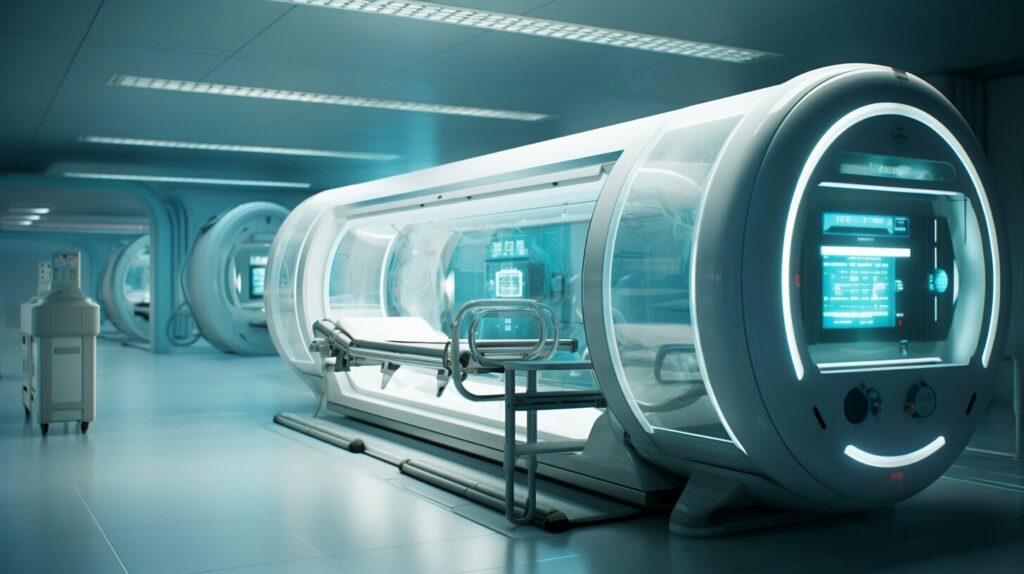
Hyperbaric oxygen therapy there are three main types of hyperbaric chambers: monoplace, multiplace, and soft (mild) hyperbaric chambers. Each type has its own unique features and benefits, catering to different needs and preferences.
The monoplace chamber is the most common type and is designed to accommodate a single patient at a time. These chambers can be pressurized with medical-grade oxygen or regular air, depending on the specific treatment plan. Monoplace chambers are versatile and can be found in various healthcare settings.
Multiplace chambers, on the other hand, can hold multiple people at the same time. These chambers are particularly useful for group therapies or when multiple patients need to undergo hyperbaric oxygen therapy simultaneously. Multiplace chambers are equipped with a system that delivers oxygen to each individual within the chamber.
Soft hyperbaric chambers, also known as mild hyperbaric chambers, are a popular choice for individuals seeking a more comfortable and relaxed treatment experience. These chambers have a unique structure and are often made of smooth canvas or elastic-plastic materials. Soft chambers provide a less confined feeling and a more open environment, allowing patients to comfortably move during the therapy session.

Comparison of Hyperbaric Chamber Types
| Hyperbaric Chamber Type | Main Features | Benefits |
|---|---|---|
| Monoplace Chamber | Accommodates one patient at a time | Versatile and commonly found in healthcare settings |
| Multiplace Chamber | Can hold multiple patients simultaneously | Allows for group therapies and efficient use of the chamber |
| Soft (Mild) Hyperbaric Chamber | Made of smooth canvas or elastic-plastic materials | Provides a more open and comfortable treatment experience |
It is important for individuals considering hyperbaric oxygen therapy to discuss with their healthcare provider and determine which type of chamber is most suited to their needs. Factors such as the specific condition being treated, individual comfort, and preferences are all important considerations in making an informed decision. Regardless of the type of chamber, hyperbaric oxygen therapy offers potential healing benefits and can be a valuable treatment option for various medical conditions.
The Hyperbaric Chamber Experience
Experiencing hyperbaric oxygen therapy (HBOT) involves a step-by-step process that ensures your safety and maximizes the benefits of the treatment. Before entering the hyperbaric chamber, you will have a consultation session with a physician to assess your suitability for HBOT and determine the appropriate treatment protocol for your specific needs. During this consultation, the physician will also provide you with important information about the therapy, including any preparations you need to make before the treatment.
Once you’re ready to undergo HBOT, you will enter the hyperbaric chamber, where you will be accompanied by trained healthcare professionals throughout the session. Before entering, you’ll need to remove any jewelry, perfumes, or lotions, and complete a safety checklist to ensure a safe treatment environment. Inside the chamber, you’ll relax comfortably and breathe in 100% pure oxygen while the chamber is pressurized to the prescribed level. The treatment session typically lasts between 60 to 120 minutes, depending on your condition and treatment plan.
After the treatment session, you’ll exit the hyperbaric chamber, and the healthcare professionals will guide you through any necessary post-treatment instructions. Depending on your treatment plan, you may have multiple sessions of HBOT to achieve the desired therapeutic outcomes. Throughout the entire process, your healthcare team will closely monitor your condition and ensure your comfort and safety.

Table: Overview of the Hyperbaric Chamber Experience
| Steps | Description |
|---|---|
| Consultation | A session with a physician to assess suitability and establish treatment protocol. |
| Preparation | Follow any necessary preparations and safety checklist instructions before entering the chamber. |
| Treatment | Enter the hyperbaric chamber, relax, and breathe in pure oxygen while the chamber is pressurized. |
| Post-Treatment | Receive any necessary instructions and guidance from healthcare professionals after the session. |
| Follow-up | Undergo multiple sessions, as prescribed, to achieve therapeutic goals. |
Indications and Endorsements of Hyperbaric Oxygen Therapy
Hyperbaric oxygen therapy (HBOT) has been extensively researched and endorsed for several medical conditions and indications. The therapy is FDA-approved for specific conditions, known as “on-label” uses, which have undergone thorough scientific testing and clinical trials. These approved indications have established treatment protocols and are supported by strong scientific evidence.
Examples of FDA-approved conditions for HBOT include air gas embolism, carbon monoxide poisoning, decompression sickness, diabetic lower extremity wounds, and osteomyelitis. HBOT is also effective in treating severe anemia, radiation tissue damage, gas gangrene, and necrotizing soft tissue infections, among others. These indications have been extensively studied and have established treatment guidelines.
However, there are also many potential uses of HBOT that are considered “off-label” and not yet FDA-approved. These off-label uses rely on emerging research and clinical observations, which show promise but require further investigation. Off-label uses of HBOT include conditions such as anoxic brain injury, cerebral palsy, chronic pain, concussion, and traumatic brain injury. While these uses are not officially approved, they are supported by ongoing research and expert knowledge in the field.
It’s important for patients considering off-label use of HBOT to consult with knowledgeable physicians who specialize in hyperbaric medicine. These experts can provide guidance based on the available research and clinical experience, helping patients make informed decisions about their treatment options. The field of hyperbaric medicine continues to evolve, and as more research emerges, the indications for HBOT may expand to include new conditions and applications.

The History and Evolution of Hyperbaric Oxygen Therapy
The history of hyperbaric oxygen therapy (HBOT) dates back to the 1930s when it was first utilized by the U. S. Navy to treat decompression sickness. Since then, HBOT has undergone significant development and has become an established treatment option for various medical conditions. The U. S. Navy’s research on hyperbaric medicine laid the foundation for the safety protocols still used in HBOT today. Over time, the therapy has gained recognition and acceptance in the medical field, paving the way for further advancements and research.
Hyperbaric medicine has evolved from its initial use in diving-related emergencies to a versatile treatment that benefits a wide range of patients. The therapy’s effectiveness is supported by scientific research and clinical trials. Ongoing studies continue to explore new applications and potential uses of HBOT, ranging from neurology and oncology to regenerative medicine and sports medicine. As the understanding of hyperbaric medicine deepens, the future of HBOT holds promising possibilities for expanding treatment options and improving patient outcomes.
“The therapy’s effectiveness is supported by scientific research and clinical trials.”
Hyperbaric oxygen therapy should only be administered by trained and certified healthcare professionals. These professionals ensure that the therapy is safely conducted, taking into account each patient’s individual needs and medical history. The safety protocols established by the U. S. Navy serve as a guideline for maintaining the well-being of patients during HBOT sessions. By adhering to these protocols and seeking treatment from qualified professionals, patients can experience the potential benefits of hyperbaric oxygen therapy while minimizing any potential risks.
The Role of the U. S. Navy in Hyperbaric Oxygen Therapy
The U. S. Navy has played a vital role in the development and advancement of hyperbaric oxygen therapy. Initially used to treat decompression sickness, the therapy has since expanded to include various medical conditions. The Navy’s research and expertise in hyperbaric medicine have contributed to the formulation of safety protocols and treatment guidelines. This knowledge has been instrumental in ensuring the safe and effective use of hyperbaric chambers in healthcare settings.
The U. S. Navy’s involvement in hyperbaric medicine continues to influence the field, with ongoing research and collaboration. As the therapy evolves, the Navy remains at the forefront of advancements and discoveries, contributing to the growth and expansion of hyperbaric oxygen therapy. The Navy’s commitment to safety, research, and innovation underscores the importance of maintaining high standards in the administration and practice of HBOT.
| Year | Development |
|---|---|
| 1930s | U. S. Navy utilizes hyperbaric oxygen therapy to treat decompression sickness in divers. |
| 1950s-1960s | Hyperbaric chambers are introduced in healthcare settings for the administration of hyperbaric oxygen therapy. |
| Present | Ongoing research and advancements in hyperbaric medicine contribute to the growth and expansion of HBOT. |
The Future of Hyperbaric Oxygen Therapy
As research in hyperbaric medicine continues to advance, the future of hyperbaric oxygen therapy holds exciting possibilities. Emerging uses of HBOT in fields such as neurology, oncology, regenerative medicine, and sports medicine showcase the therapy’s potential to revolutionize treatment options. By harnessing its ability to stimulate tissue regeneration, enhance stem cell mobilization, and optimize cellular energy production, hyperbaric oxygen therapy offers hope for patients facing various medical conditions.
The ongoing commitment to research and technological advancements in hyperbaric medicine will contribute to further understanding and expansion of HBOT. As the therapy evolves, healthcare professionals will continue to refine treatment protocols and explore new applications, ensuring that patients receive the maximum benefit from hyperbaric oxygen therapy.
Preparing for Hyperbaric Oxygen Therapy
Before starting hyperbaric oxygen therapy (HBOT), it is essential to prepare yourself for the treatment. Following the recommended preparations will ensure a safe and effective session. Here are some important steps to take:
- Avoid entering the hyperbaric chamber if you are feeling sick. Illness can affect your ability to equalize the pressure in your ears, which is key during the treatment.
- Consult with your healthcare provider regarding medications. Certain medications may need to be temporarily discontinued during the therapy, as they can interfere with the effects of oxygen.
- Be prepared for the duration of each treatment session. Typically, the treatment lasts about 110 minutes, so plan accordingly and allow yourself enough time for each session.
- During the treatment, it’s normal to experience sensations similar to being on an airplane, such as pressure in the ears and changes in vision. These sensations usually subside as the treatment progresses.
- If you have claustrophobia, inform your healthcare provider. They can provide reassurance and support throughout the treatment to ensure your comfort and safety.
A helpful tip:you’ll be in the care of trained healthcare professionals who will guide you through the entire process and ensure your well-being. By following the necessary preparations, you can have a smooth and successful experience with hyperbaric oxygen therapy.

Potential Side Effects and Risks of Hyperbaric Oxygen Therapy
Hyperbaric oxygen therapy (HBOT) is generally considered safe, but like any medical treatment, it can have potential side effects. It’s important for patients to be aware of these risks and discuss them with their healthcare providers before undergoing HBOT. Common side effects of HBOT include tiredness, discomfort in the ears or sinuses, and sensations of fluid buildup. These side effects are usually temporary and subside soon after the treatment session.
In rare cases, more serious side effects can occur, although they’re extremely rare and typically associated with pre-existing conditions. These include seizures and a collapsed lung. However, it’s important to note that the overall incidence of these complications is very low, and the benefits of HBOT often outweigh the potential risks.
When administered by trained and certified healthcare professionals, HBOT is a safe treatment option. These professionals closely monitor patients throughout the treatment session to ensure their safety and well-being. It’s essential to follow the guidelines and safety protocols provided by the healthcare team to minimize the risk of any adverse effects.
Risks and Side Effects of HBOT
| Side Effects | Risk Level |
|---|---|
| Tiredness | Low |
| Discomfort in the ears or sinuses | Low |
| Sensations of fluid buildup | Low |
| Seizures | Rare |
| Collapsed lung | Rare |
“Hyperbaric oxygen therapy is generally well-tolerated, with minimal side effects. The risks are low, and the benefits can be significant, especially for patients with approved indications. It is important to discuss any concerns or pre-existing conditions with your healthcare provider before starting HBOT.”
Your healthcare provider will assess your individual circumstances and medical history to determine if HBOT is a suitable treatment option for you. They will also provide you with detailed information regarding the potential risks and benefits, allowing you to make an informed decision. By closely following the guidance of your healthcare team and receiving treatment in a controlled and monitored environment, you can minimize the risks and maximize the potential benefits of hyperbaric oxygen therapy.

Hyperbaric Oxygen Therapy Success Stories
Hyperbaric oxygen therapy (HBOT) has garnered numerous success stories and positive patient experiences. Testimonies from individuals who have undergone HBOT highlight its healing effects and the significant improvements it has brought to their lives. These personal accounts provide valuable insights into the potential benefits of hyperbaric chamber treatment.
“HBOT has been a life-changing therapy for me. After suffering from a chronic wound that refused to heal, I decided to try hyperbaric oxygen therapy as a last resort. Within a few sessions, I noticed a remarkable difference. The healing process accelerated, and my wound finally closed up. The pain and inflammation also subsided, and I regained my quality of life. I can’t recommend HBOT enough!”
Another patient shares their success story:
“I’ve been living with a traumatic brain injury for years, and it severely impacted my quality of life. After starting hyperbaric oxygen therapy, I noticed improvements in my cognitive function and overall well-being. Memory recall became easier, and I felt more focused and alert. HBOT has truly been a game-changer for me, and I’m grateful for the positive effects it has had on my recovery journey.”
These personal testimonies reflect the transformative power of hyperbaric oxygen therapy. While individual experiences may vary, the consistent theme of improved healing and enhanced well-being underscores the potential benefits of HBOT.
Table: Summary of Patient Experiences
| No. | Patient | Condition | Experience |
|---|---|---|---|
| 1 | John | Chronic wound | Significantly accelerated healing process; reduced pain and inflammation; regained quality of life |
| 2 | Sarah | Traumatic brain injury | Improved cognitive function; enhanced memory recall; increased focus and alertness |
| 3 | Michael | Diabetic foot ulcer | Complete healing of the wound; reduced risk of infection; restoration of mobility |
| 4 | Emily | Bone infection (osteomyelitis) | Elimination of infection; accelerated bone regeneration; pain relief |
| 5 | Alice | Carbon monoxide poisoning | Recovery from poisoning symptoms; restored cognitive function; improved energy levels |
These success stories and firsthand accounts highlight the potential benefits of hyperbaric oxygen therapy and its ability to positively impact various medical conditions. While further research is needed to fully understand the range of applications and effectiveness of HBOT, these personal experiences offer valuable insights into the healing effects of hyperbaric chamber treatment.
The Future of Hyperbaric Oxygen Therapy
As research in hyperbaric medicine continues, there are exciting developments and emerging uses of hyperbaric oxygen therapy on the horizon. Scientists and medical professionals are exploring the potential of HBOT in various fields beyond the currently approved indications. This therapy’s ability to enhance tissue regeneration, stimulate stem cell mobilization, and improve cellular energy production makes it a promising treatment option for a wide range of conditions.
One area of exploration is neurological conditions. Preliminary HBOT may have a beneficial impact on brain injuries, including anoxic brain injury, cerebral palsy, concussion, and traumatic brain injury. The increased oxygenation to the brain has the potential to support healing processes and improve neurological function in these patients.
Oncology is another field where HBOT shows promise. Hyperbaric oxygen therapy may enhance the effectiveness of certain cancer treatments, such as radiation therapy and chemotherapy. The therapy’s ability to promote neovascularization and increase oxygen supply to tissues may help improve the outcomes of cancer treatments and reduce side effects.
Table: Potential Future Uses of Hyperbaric Oxygen Therapy
| Medical Field | Potential Future Uses |
|---|---|
| Neurology | Anoxic brain injury, cerebral palsy, concussion, traumatic brain injury |
| Oncology | Enhancing cancer treatment outcomes, reducing side effects of radiation therapy and chemotherapy |
| Regenerative Medicine | Improving tissue regeneration, enhancing stem cell mobilization |
| Sports Medicine | Accelerating recovery from sports injuries, enhancing performance and endurance |
Regenerative medicine is another area where hyperbaric oxygen therapy holds promise. The therapy’s ability to stimulate tissue regeneration and enhance cellular energy production makes it a potential treatment option for conditions such as chronic wounds, musculoskeletal injuries, and degenerative disorders.
In sports medicine, HBOT may have applications in accelerating the recovery process from sports injuries, reducing inflammation, and enhancing performance and endurance. The oxygen-rich environment created by the therapy can support healing and help athletes return to their peak condition faster.
As ongoing research and technological advancements continue to explore the potential benefits of hyperbaric oxygen therapy, the future of HBOT looks promising. Further studies, clinical trials, and continued collaboration between medical professionals and researchers will help Tap intofull potential of this treatment modality, expanding treatment options and improving patient outcomes.

Explore Our Hyperbaric Therapy Articles
Dive deeper into hyperbaric therapy with our collection of in-depth articles:
- Ayurveda Quasar Hyperbaric Therapy: &
- Chakra Hyperbaric Healing: Using Balancing
- Deep Quasar Hyperbaric Techniques: Into Quantum
- Guided Meditation Hyperbaric Chambers: 8 Stunning Benefits for Mind and Body Wellness
- Herbs Hyperbaric Healing
- Hyperbaric Integrative Medicine: Traditional Melding
- Quasar Quantum Healing Hyperbaric Chamber and Traditional Medicine
- Restorative Yoga Poses Today
- Restorative Yoga Unveiling Purpose
- Self-healing Hyperbaric Techniques: Empowering
- Shamanic Hyperbaric Therapy: Rituals
- Sonic Healing Hyperbaric: Vibrations Sound
- Therapeutic Touch Quasar Healing: Hyperbaric
- Wellness Quasar Hyperbaric Chamber: Promoting
- Yoga Poses for Beginners
Related Comprehensive Guides
- Ao Scan: Potential Health
- Benefits of Salt Therapy: Healing
- Energy Healing: Unleash Potential
- Enhance Wellness
- Health Insight Scan: Quickly Insights
- LED Nogier Frequency Today
- Quantum Foot Detox Benefits
- Quantum Healing Wellness Quasar
- Quantum Practice Techniques Guide Enhanced Wellness: 9 Essential Methods to Transform Your Energy
- Reiki Healing: Wellbeing
- Rtms Therapy, Rtms Therapy: Repetitive Rtms:
- Self-discovery Scan: Potential Our
- Unveil the Theta Chamber Today
Explore All Healing Pathways
This comprehensive library brings together the world’s most impactful healing traditions in one place.
Energy & Quantum Healing
- Ao Scan: Potential Health
- Benefits of Salt Therapy: Healing
- Energy Healing: Unleash Potential
- Enhance Wellness
- Health Insight Scan: Quickly Insights
- LED Nogier Frequency Today
- Quantum Foot Detox Benefits
- Quantum Healing Wellness Quasar
- Quantum Practice Techniques Guide Enhanced Wellness: 9 Essential Methods to Transform Your Energy
- Reiki Healing: Wellbeing
- Rtms Therapy, Rtms Therapy: Repetitive Rtms:
- Self-discovery Scan: Potential Our
- Unveil the Theta Chamber Today
Holistic & Mind-Body
- Healing Modalities Wellness Paths: Your Complete Alternative Healing Guide
- Integrative Medicine: Healing Future-forward
- Integrative Wellness
- Mind-body Balance in Holistic Healing: Wholeness Empowering
- Mind-body: Harmonizing Essence
- Wholeness & Integrative Health
Physical Healing
- Acupuncture Techniques: Myths Piercing
- Crystal Healing Ages: Through
- Physical Healing: From Alignment:
- The Spectrum Physical Healing Modern Modalities Time Has Proven: Your Complete Guide
Therapeutic Techniques
- Aromatherapy Roots Practice: &
- Healing Power of Sound: Principles Therapy
- Shamanic Healing Spiritual Journeys
- Shamanic Journey: Mysteries: Guide
Traditional & Cultural
- Ayurvedic Healing: Wellness Through
- Chakra System Centers Spiritual Power Healing: Your Complete Guide to Energy Balance
- Healing Spiritual Symbols
- Herbal Medicine for Better
- Power of Cultural Healing: Sacred Traditions
- Safety Best Practices
- Traditional Healing: Nature’s Legacy
- Traditional Medicine: Healing Legacy
Frequently Asked Questions
What is Healing: Your Guide to?
Healing: Your Guide to is a holistic wellness approach that addresses the interconnection of mind, body, and spirit. It draws on various traditions and practices to support overall well-being and balance. Consult a qualified healthcare professional for medical advice.
How does Healing: Your Guide to work?
Healing: Your Guide to works by addressing the whole person — mind, body, and spirit — rather than isolated symptoms. Practitioners use specific techniques to restore balance and support the body’s natural processes. Approaches vary, so explore what resonates with your needs.
Is Healing: Your Guide to safe?
Healing: Your Guide to is generally considered a low-risk complementary practice when performed by qualified practitioners. However, it should not replace conventional medical treatment for serious conditions. Always consult a healthcare professional before starting any new wellness practice.
How can I get started with Healing: Your Guide to?
Start by researching qualified practitioners in your area or reputable online resources. Many people begin with introductory sessions or workshops. Approach with an open mind and set realistic expectations for your health path.
Can Healing: Your Guide to be combined with conventional medicine?
Many people use Healing: Your Guide to alongside conventional medical treatments as a complementary approach. Always inform your healthcare provider about any complementary practices you use. Never discontinue prescribed treatments without medical guidance.
full guide to energy healing pairs well with this article for a more complete understanding.
Source Links
- https://www.aaltohyperbaric.com/understanding-hbot-your-guide-to-hyperbaric-oxygen-therapy/
- https://www.michiganmedicine.org/health-lab/what-know-receiving-hyperbaric-oxygen-chamber-therapy
- https://www.ncbi.nlm.nih.gov/pmc/articles/PMC8465921/