Table of Contents
Healing frequencies chart hz guide gives practitioners a structured yet flexible set of tools for supporting the body’s natural healing processes. Whether you are encountering it for the first time or deepening an existing practice, the material ahead will give you a solid foundation.
Key Takeaways
- Healing frequencies use specific Hz ranges (like 174 Hz, 528 Hz, 963 Hz) believed to support different aspects of wellness
- Research suggests sound frequencies may influence brainwave patterns, stress responses, and cellular function
- The Solfeggio frequencies and binaural beats are two popular systems you can start using today
- You don’t need fancy equipment—simple headphones and free apps can get you started
- Results vary by person, but many report improved relaxation, focus, and emotional balance
What Is a Healing Frequencies Chart and How Does It Work?
Here’s the thing about frequencies: everything in the universe vibrates. Your cells, your thoughts, even the chair you’re sitting on—all vibrating at different rates measured in Hertz (Hz). Sound healing operates on the principle that exposing your body to specific frequencies can influence your own vibration in beneficial ways.
Studies have shown that sound can affect us at a cellular level. A 2016 study published in Frontiers in Human Neuroscience demonstrated that certain frequencies can alter brainwave patterns, shifting us from stressed beta waves to relaxed alpha states. That’s not just feel-good woo—that’s measurable brain activity changing in response to sound.
The mechanism? It’s called entrainment. Your brainwaves naturally synchronize with external rhythmic stimuli. Play a 7.83 Hz frequency (the Earth’s natural resonance), and your brain starts producing more theta waves associated with deep relaxation and meditation. Pretty wild when you think about it.
But this isn’t exactly new. Ancient cultures used sound for healing ceremonies long before we had the technology to measure it. What’s changed is our ability to understand why it works—and to create precise energy healing protocols based on specific Hz ranges.
The Complete Solfeggio Frequencies Chart
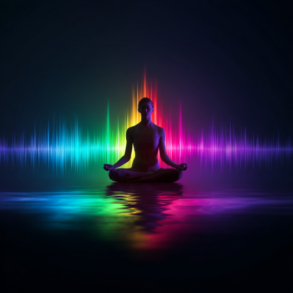
The Solfeggio frequencies are probably the most well-known healing frequencies chart you’ll encounter. These six (sometimes nine) tones date back to ancient Gregorian chants, though they’ve experienced a modern revival in sound healing circles.
Here’s your complete breakdown:
174 Hz – Pain Relief & Physical Healing
This is your foundation frequency. Many practitioners report it creates a sense of security and comfort in the body. Think of it as sound’s way of telling your cells, “You’re safe. You can relax now.” Some studies suggest low frequencies like this may reduce perceived pain levels, though more research is needed.
285 Hz – Tissue Regeneration
Believed to support the body’s natural healing processes at a cellular level. Users often describe a feeling of renewal when listening to this frequency regularly.
396 Hz – Liberation from Fear & Guilt
This frequency is associated with releasing emotional blockages. It’s particularly popular for meditation practices focused on letting go of limiting beliefs. That tightness in your chest when anxiety hits? This frequency might help ease it.
417 Hz – Facilitating Change
When you’re stuck in old patterns or need to clear negative energy from past experiences, 417 Hz is where you’d turn. It’s about creating space for transformation.
528 Hz – DNA Repair & Transformation
Ah, the famous “love frequency.” This one gets a lot of attention, partly because research by biochemist Dr. Glen Rein suggested 528 Hz may increase cell life by approximately 20%. While these findings need replication, the frequency remains popular for meditation and healing sessions.
639 Hz – Relationship Harmony
This frequency relates to connection—with others, with yourself, with the universe. Use it when working on communication or healing relationships.
741 Hz – Awakening Intuition
For clearing mental fog and accessing deeper knowing. Many people use this during creative work or problem-solving.
852 Hz – Spiritual Awareness
Linked to pineal gland activation and expanded consciousness. This is your gateway to those profound meditative states.
963 Hz – Divine Connection
The highest Solfeggio frequency, associated with transcendence and unity consciousness. Not exactly everyday listening, but powerful for deep spiritual work.
Binaural Beats: Your Brain on Two Frequencies
Now, binaural beats work a bit differently than straight frequencies. Here’s the clever part: you play two slightly different frequencies in each ear (say, 200 Hz in the left, 210 Hz in the right), and your brain perceives a third frequency—the difference between them (10 Hz).
This perceived frequency then influences your brainwave state. The ranges break down like this:
Delta (0.5-4 Hz): Deep sleep, healing, regeneration. If you struggle with insomnia, delta binaural beats might become your best friend. Research published in the Journal of Alternative and Complementary Medicine found that delta frequency audio improved sleep quality in participants.
Theta (4-8 Hz): Meditation, creativity, REM sleep. This is that twilight state between waking and sleeping where insights seem to arrive from nowhere.
Alpha (8-14 Hz): Relaxed alertness, light meditation, stress reduction. Think of alpha as your default “calm but present” state—what we’re all chasing when we say we want to “unwind.”
Beta (14-30 Hz): Active thinking, focus, problem-solving. Already your normal waking state, but targeted beta beats can enhance concentration.
Gamma (30-100 Hz): High-level cognition, peak performance, spiritual experiences. Some meditators report profound states of consciousness at gamma frequencies.
For more on how different holistic approaches work together, you’ll find our comprehensive guides helpful.
The Schumann Resonance: Earth’s Natural Frequency
Then there’s the Schumann resonance—7.83 Hz, to be exact. This is the electromagnetic frequency of Earth itself, the pulse of our planet resonating between the surface and the ionosphere.
Some researchers believe our bodies evolved to sync with this frequency, which might explain why spending time in nature feels so restorative. When you’re disconnected from Earth’s natural frequency (hello, concrete jungles and electromagnetic pollution), you might feel… off.
Studies by the HeartMath Institute have explored the relationship between the Schumann resonance and human health, suggesting this frequency may play a role in regulating our circadian rhythms and autonomic nervous system.
Listening to 7.83 Hz audio (often combined with nature sounds) is like giving your nervous system a reminder of its natural state. Many people use it as background sound during work or meditation.
How to Actually Use This Healing Frequencies Chart
Okay, so you’ve got this massive healing frequencies chart in your head now. But how do you actually use it? Here’s your practical approach:
Start with Your Current Need
Feeling anxious? Try 396 Hz or alpha binaural beats (8-12 Hz). Can’t sleep? Delta waves (0.5-4 Hz) or 174 Hz. Need creative breakthrough? Theta beats (4-8 Hz) or 741 Hz. Match the frequency to your goal.
Choose Your Delivery Method
You’ve got options here. YouTube has thousands of frequency tracks (free, easy, though quality varies). Apps like Insight Timer or Brain.fm offer curated frequency sessions. Or invest in dedicated frequency generators if you want precise control.
Use Proper Headphones
For binaural beats especially, you need stereo headphones. The whole mechanism depends on each ear receiving a different frequency. Regular speakers won’t cut it.
Create a Routine
Consistency matters more than duration. Twenty minutes daily beats an occasional two-hour session. Many people create frequency playlists for different times of day—energizing beta in the morning, relaxing alpha in the evening, delta at bedtime.
Combine with Other Practices
Frequencies amplify whatever else you’re doing. Meditating? Add appropriate frequencies. Doing breathwork? Layer in some theta waves. Stretching? 285 Hz might support that physical release. Check out our essential healing guides for complementary practices.
Track Your Response
Everybody responds differently. Keep a simple journal: which frequency, how long, what you noticed. You might discover that 528 Hz energizes you while your friend finds it calming. That’s normal—your system is unique.
What the Research Actually Says (and Doesn’t)
Look, I’m not going to tell you that healing frequencies will cure everything. That wouldn’t be honest, and it definitely wouldn’t be scientific.
Here’s what we know: Research from the National Center for Biotechnology Information shows that sound therapy can reduce stress markers like cortisol and improve heart rate variability. Studies on binaural beats demonstrate measurable changes in brainwave patterns and reported improvements in anxiety, focus, and sleep quality.
But—and this is important—most frequency healing research is still emerging. Sample sizes are often small. Mechanisms aren’t fully understood. The specific claims around Solfeggio frequencies (like DNA repair at 528 Hz) need more rigorous investigation.
That said, the risks are minimal. If listening to specific frequencies helps you relax, sleep better, or feel more centered—and the science suggests it might—why not explore it?
Think of this healing frequencies chart as one tool in your wellness toolkit. Not a replacement for medical care, but a complementary practice that’s both ancient and increasingly validated by modern research.
Common Mistakes When Working with Healing Frequencies
After years of exploring frequency healing, I’ve noticed a few patterns where people trip up:
Volume Too High: More isn’t better. Frequencies work subtly—you should be able to hear them clearly but comfortably. Blasting them can actually create stress instead of relieving it.
Frequency Hopping: Using a different frequency every day makes it hard to notice effects. Stick with one frequency for at least a week before switching.
Expecting Instant Miracles: Some people feel effects immediately. Others need consistent exposure over weeks. Your timeline is your timeline.
Ignoring Your Body’s Signals: If a frequency makes you feel worse (headaches, agitation, increased anxiety), stop using it. Your system knows best.
Using Frequencies as a Band-Aid: Sound healing works best alongside healthy lifestyle practices—good sleep hygiene, proper nutrition, stress management, movement. It’s amplification, not replacement.
Your Next Steps with Healing Frequencies
Here’s my suggestion for getting started this week: Pick one frequency from the chart above based on your biggest current need. Commit to listening for 15-20 minutes daily for seven days. Use headphones, eliminate distractions, and simply notice what shifts.
Maybe you’ll feel more grounded. Maybe your sleep improves. Maybe nothing dramatic happens, but you notice you’re slightly calmer throughout the day. All of that counts.
The beautiful thing about this healing frequencies chart? It’s not precious or complicated. You can experiment freely, adjust as needed, and discover your own relationship with sound healing. Your body already speaks the language of frequency—you’re just learning to tune in more consciously.
Start simple. Stay curious. And remember: healing isn’t always dramatic. Sometimes it’s just that subtle shift from tense to peaceful, scattered to focused, stuck to flowing. That’s the real magic of working with frequencies.
Frequently Asked Questions
What is the best healing frequency for sleep?
Delta binaural beats (0.5-4 Hz) and 174 Hz are most commonly used for sleep support. Delta frequencies match your brain’s natural sleep state, while 174 Hz is associated with deep relaxation and physical comfort. Many people report improved sleep quality when listening to these frequencies 30 minutes before bed or throughout the night at low volume. Start with delta beats if you’re new to frequency healing for sleep.
How long should I listen to healing frequencies each day?
Most practitioners recommend 15-30 minutes of focused listening for acute needs like stress relief or meditation. For background support (like focus or calm energy), you can listen for longer periods at lower volumes. The key is consistency over duration—20 minutes daily produces better results than occasional two-hour sessions. Listen to your body’s response and adjust accordingly.
Can healing frequencies really repair DNA or cure illness?
While some preliminary research suggests frequencies like 528 Hz may influence cellular function, we don’t have sufficient scientific evidence to claim frequencies repair DNA or cure diseases. What research does support is that specific frequencies can reduce stress, improve sleep quality, alter brainwave patterns, and support overall wellness. Think of frequency healing as a complementary wellness practice, not a medical treatment. Always consult healthcare providers for medical concerns.
Do I need special equipment to use a healing frequencies chart?
For most frequencies, regular stereo headphones and a smartphone are sufficient. Binaural beats specifically require headphones since each ear needs to receive a different frequency. You can access healing frequencies through free YouTube videos, apps like Insight Timer or Calm, or dedicated frequency generator apps. As you deepen your practice, you might invest in higher-quality headphones or frequency generators, but they’re not necessary to start experiencing benefits.
Why do some frequencies make me feel uncomfortable or anxious?
This is actually a normal response for some people and can happen for several reasons. You might be particularly sensitive to certain Hz ranges, or a frequency might be bringing suppressed emotions to the surface for processing. Sometimes the volume is too high, or you’re using frequencies that don’t match your current state (like energizing beta waves when you’re already anxious). If a frequency consistently feels uncomfortable, try a different one—everyone responds uniquely. Trust your body’s wisdom.